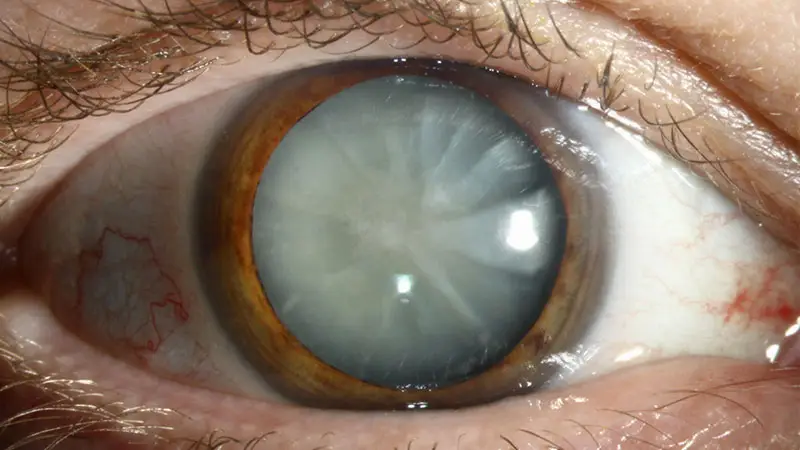
Cataract is one of the most common eye conditions affecting people above the age of 40, and it is the leading cause of reversible blindness worldwide. The good news is that cataract can be completely treated with a safe and advanced surgery. In this blog, we explain everything you need to know—symptoms, causes, diagnosis, treatment options, surgery types, and recovery tips.
What is a Cataract?
A cataract occurs when the natural lens inside the eye becomes cloudy, preventing light from passing clearly to the retina. As the lens becomes opaque, vision gradually becomes blurry, dim, or distorted.
Cataracts are not painful and usually develop slowly.
Common Symptoms of Cataract
You may be experiencing a cataract if you notice:
- Blurred or foggy vision
- Difficulty seeing at night
- Sensitivity to bright lights or glare
- Halos around lights
- Colors appearing faded or yellowish
- Frequent changes in eyeglass power
- Double vision in one eye
If you notice 2 or more of these symptoms, schedule an eye check-up immediately.
What Causes Cataracts?
Cataracts can develop due to several reasons, including:
- Ageing (most common cause)
- Family history of cataracts
- Long-term sun exposure
- Diabetes
- Smoking or alcohol consumption
- Eye injuries
- Prolonged use of steroids
- High blood pressure
- Previous eye surgery
Types of Cataracts
Understanding the types helps your doctor choose the right treatment:
- Nuclear Cataract – Forms in the center of the lens
- Cortical Cataract – Wedge-shaped opacities around the edges
- Posterior Subcapsular Cataract – Progresses faster and affects reading vision
- Congenital Cataract – Present at birth
- Traumatic Cataract – Caused by injury
- Secondary Cataract – Occurs due to other medical conditions or medications
How is Cataract Diagnosed?
During an eye examination, your doctor may perform:
- Visual acuity test
- Slit-lamp examination
- Retinal evaluation
- Tonometry (eye pressure test)
Regular screenings help detect cataracts early and prevent complications.
Cataract Treatment: When Do You Need Surgery?
There are no medicines or spectacles that can cure cataracts.
The only effective treatment is cataract surgery, recommended when:
- Cataract affects daily activities
- Vision becomes blurry or cloudy
- Night driving becomes difficult
- You experience glare and halos
Types of Cataract Surgery
Modern cataract surgery is highly safe, quick, and painless.
1. Phacoemulsification (Phaco Surgery)
- The most common method
- Small incision and ultrasound technology
- Quick recovery
2. Femto-Laser Assisted Cataract Surgery (FLACS)
- Blade-less and highly precise
- Computer-controlled laser
- Premium option for accuracy
3. Manual Small Incision Cataract Surgery (SICS)
- Effective in advanced or mature cataracts
- Slightly larger incision
Types of Intraocular Lenses (IOLs)
After removing the cloudy lens, an artificial lens (IOL) is implanted:
- Monofocal IOL – Clear distance vision
- Multifocal IOL – Distance + intermediate + near vision
- Toric IOL – For patients with astigmatism
- EDOF IOL (Extended Depth of Focus) – Wider range of clear vision
Your eye specialist will suggest the most suitable IOL based on your lifestyle and needs.
Recovery After Cataract Surgery
Recovery is usually fast—most patients resume normal activities within 24–48 hours.
Post-operative Care Tips
- Avoid rubbing your eyes
- Use prescribed eye drops regularly
- Wear protective glasses outdoors
- Avoid heavy lifting or bending for a few days
- Keep water and dust away from eyes
- Attend follow-up visits
If you experience severe pain, redness, or sudden vision loss, contact your doctor immediately.
Can Cataracts Be Prevented?
While aging cannot be stopped, you can reduce your risk:
- Wear UV-protective sunglasses
- Control diabetes
- Quit smoking
- Maintain a healthy diet rich in antioxidants
- Get regular eye check-ups
When Should You See an Eye Specialist?
Visit an eye doctor if:
- You experience persistent blurry vision
- You face difficulty driving at night
- You need frequent changes in your glasses
- Vision affects your work or daily life
Early detection ensures better outcomes.
Conclusion
Cataract is a common but completely treatable condition. Modern cataract surgery is safe, quick, and offers excellent visual results—often restoring clear vision within a day. If you or your loved one is experiencing cataract symptoms, do not delay an eye examination.
Need Expert Medical Advice?
Our team of experienced doctors is here to help you with any health concerns.
Book Appointment