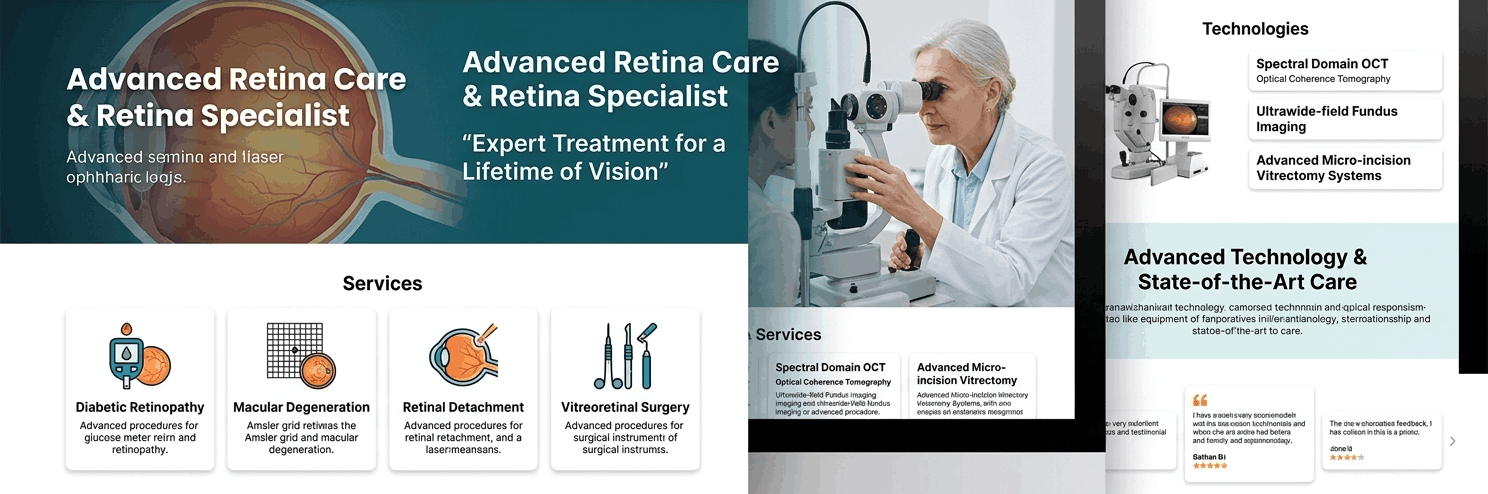
The retina is a thin light-sensitive layer located at the back of the eye that helps convert light into signals sent to the brain for vision. Damage to the retina can lead to blurred vision, vision loss, floaters, or even permanent blindness if not treated early.
Retina care focuses on diagnosing and treating diseases affecting the retina, macula, and vitreous using advanced imaging and modern treatment techniques.
At Swastik Eye Institute, Ahilyanagar, we provide comprehensive retina evaluation and advanced treatment for conditions such as:
Diabetic Retinopathy
Retinal Detachment
Macular Degeneration
Retinal Vein Occlusion
Macular Edema
Floaters & Flashes
Hypertensive Retinopathy
Our retina specialists use modern OCT scans, retinal imaging, lasers, injections, and surgical treatments to preserve vision and prevent complications.
Risk Factors
Causes & Risk Factors for Retina Diseases
Several medical conditions and lifestyle factors can increase the risk of retinal diseases and vision complications.
Diabetes mellitus (major cause of retinal damage)
High blood pressure
Increasing age
Eye injuries or trauma
Severe myopia (high eye number)
Smoking and unhealthy lifestyle
Long-term uncontrolled blood sugar
Previous eye surgeries
Family history of retinal disorders
Signs to Watch
Symptoms of Retina Problems
Early detection of retinal diseases is essential to prevent permanent vision loss. Seek immediate eye examination if you notice these symptoms.
Sudden blurred or distorted vision
Flashes of light in vision
Floaters or black spots
udden loss of vision
Wavy or distorted straight lines
Dark curtain-like shadow in vision
Vision changes due to diabetes
How We Help
Advanced Retina Diagnostic Technology
At Swastik Eye Institute, we use advanced retinal imaging systems for accurate diagnosis and early detection of retinal diseases.
Diagnostic:
OCT (Optical Coherence Tomography)
Fundus Photography
Retina Examination
Diabetic Retina Screening
Macular Evaluation
Retinal Angiography
Peripheral Retina Checkup
Vitreoretinal Assessment
Advanced Retina Treatment Options
Advanced retinal evaluation and treatment to control diabetic retinal damage and prevent vision loss using injections and retinal laser procedures.
20-40
Retinal Laser Treatment
Laser therapy used to seal retinal tears, control diabetic retinal leakage, and stabilize retinal diseases.
Intravitreal Eye Injections
Specialized injections used to reduce retinal swelling, bleeding, and macular edema for improved vision stability.
Retinal Detachment Surgery
Emergency surgical treatment performed to repair detached retina and restore vision as early as possible.
What to Expect
Recovery After Retina Treatment
Day 1
Mild discomfort or blurred vision may occur depending on the treatment performed.
Week 1
Vision begins improving gradually with medications and follow-up care.
2-4 Weeks
Retinal healing progresses and swelling reduces significantly.
1-3 Months
Long-term stabilization of retinal condition and visual recovery assessment.
Common Questions
Frequently Asked Questions
Yes, uncontrolled diabetes can damage retinal blood vessels and cause diabetic retinopathy, which may lead to vision loss if untreated.
Retinal laser procedures are usually performed with numbing drops and are generally well tolerated with minimal discomfort.
OCT (Optical Coherence Tomography) is an advanced retina scan that provides detailed images of retinal layers for accurate diagnosis.
Yes, some retinal diseases can cause permanent vision loss if not detected and treated early.