Blade-Free LASIK
A modern LASIK procedure using femtosecond laser technology for flap creation, offering enhanced precision, safety, and faster recovery.
Experience Clear Vision Without Glasses Through Advanced Blade-Free LASIK Technology
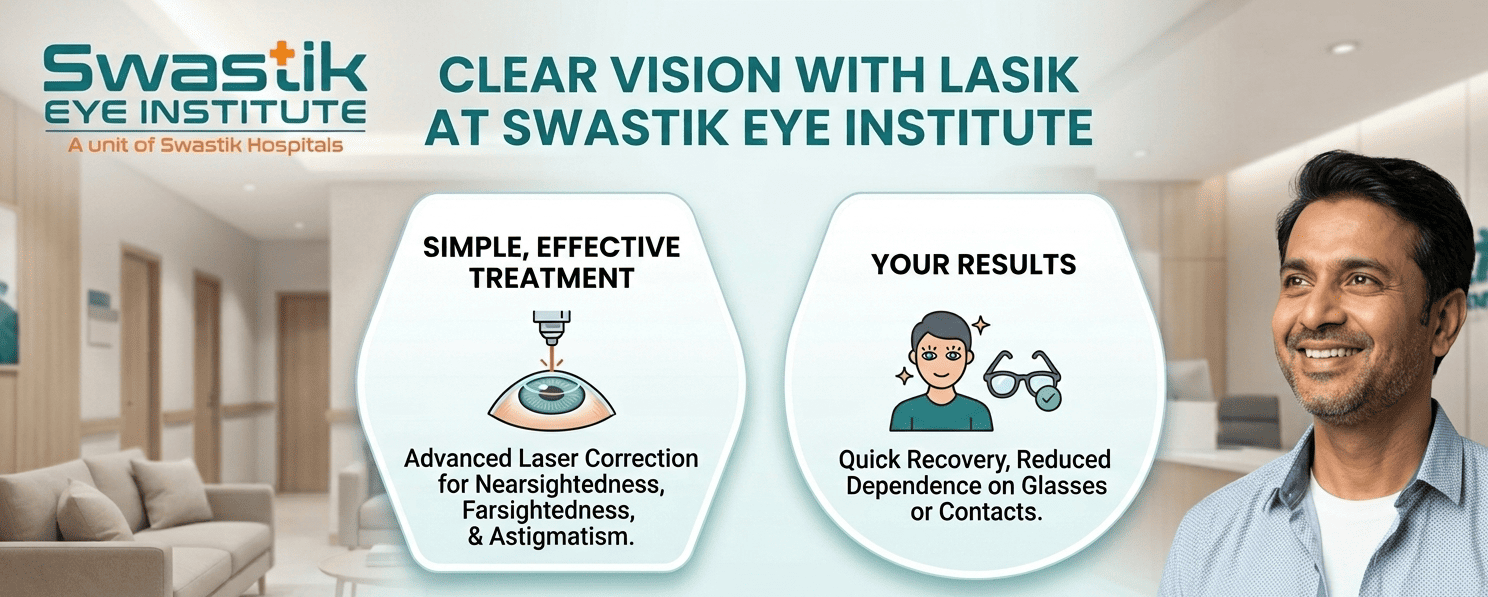
LASIK (Laser-Assisted In Situ Keratomileusis) is a popular laser eye surgery used to correct common vision problems such as nearsightedness (myopia), farsightedness (hyperopia), and astigmatism. The procedure reshapes the cornea — the clear front part of the eye — so that light entering the eye is properly focused onto the retina, improving vision.
During LASIK surgery, a surgeon creates a thin flap in the cornea using a laser or microblade. Another laser is then used to reshape the underlying corneal tissue. After reshaping, the flap is placed back into position where it naturally heals without stitches.
LASIK is usually quick, painless, and performed as an outpatient procedure. Most people experience improved vision within 24 to 48 hours after surgery.
Benefits of LASIK Eye Surgery:
• Reduces or eliminates the need for glasses or contact lenses
• Quick recovery time
• Minimal discomfort during the procedure
• Long-lasting vision correction for many patients
Possible Risks and Side Effects:
• Dry eyes
• Glare or halos around lights
• Temporary visual disturbances
• Rare complications affecting vision quality
Not everyone is a suitable candidate for LASIK. A complete eye examination by an ophthalmologist is necessary to determine eligibility based on eye health, corneal thickness, age, and prescription stability.
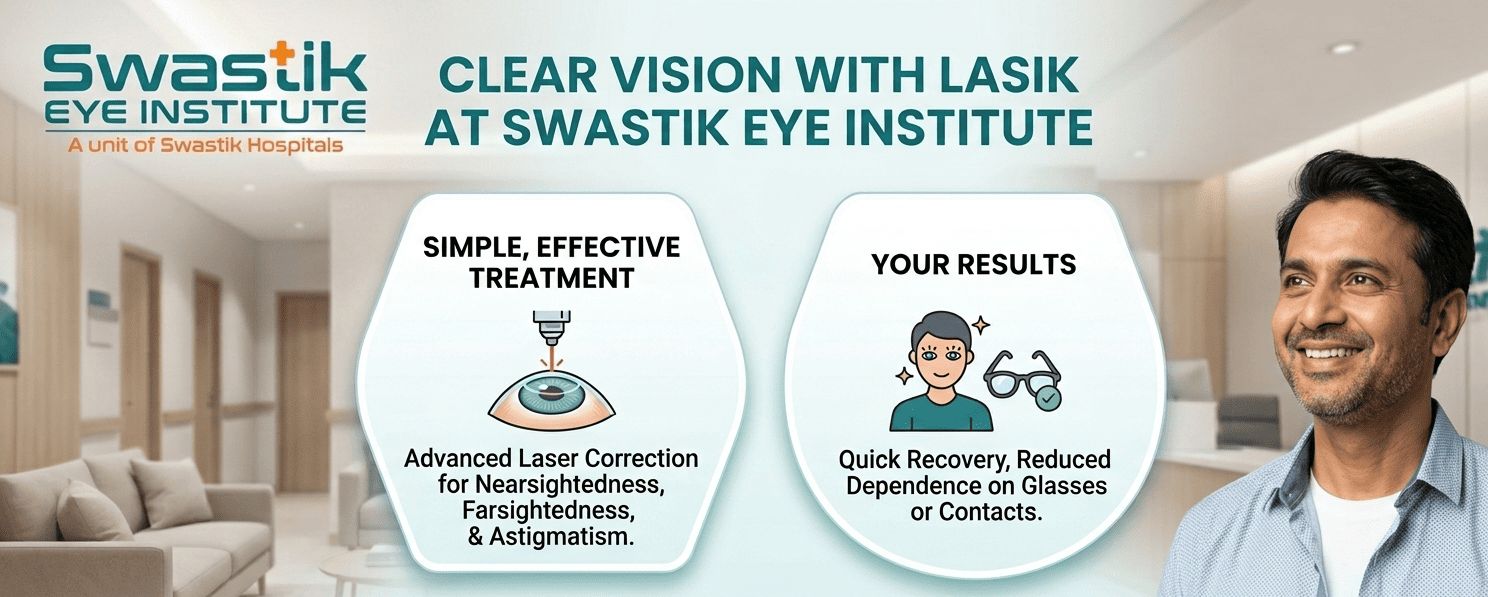
LASIK Recovery Timeline